PCP
pcp- Angel Dust
- Phenylcyclohexylpiperidine
- Phencyclidine
Scientific Names: Phencyclidine, Phenylcyclohexylpiperidine
Generic Names: Phencyclidine
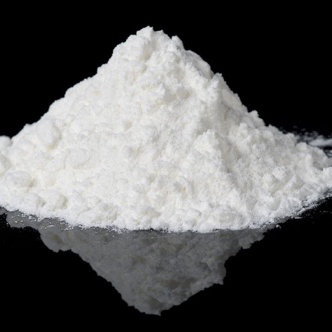
Desired Effects:
- Relaxation
- Disinhibition
- Dissociation ('out-of-the-body' feelings)
- Hallucinations.
Side Effects:
- Decreased sensitivity to pain
- Drowsiness
- Dizziness
- Numbness
- Loss of coordination
- Confusion
- PCP has a reputation in the USA for producing violent, paranoid and psychotic behaviour in its users. Because it is only rarely seen in the UK it is not clear if these effects would be found in UK users.
Long term risks:
- May include speech problems and memory loss.
- Can also induce a psychotic state that resembles schizophrenic episodes which can last for months at a time with toxic doses.
- When taken by injection, very low PCP doses are required to cause effects meaning there is a much higher risk of overdose.
- Tolerance, dependence.
Short term risks:
- Unpredictable sometimes violent behaviour
- Accidents
- Overdose
- Collapse
- Convulsions, uncontrolled shaking.
- As PCP can have sedative effects, combining with other sedative or depressants (e.g. alcohol, benzodiazepines, opioids) can increase risk of coma and cause depressed breathing and heart rate.
- Death – can be caused by complications as a result of inhibited pain response (e.g. burns or drowning in a bath).
- PCP has been mis-sold as other psychedelic drugs, so unwitting users would be looking for effects similar to LSD, but the effects of PCP usually last between 6 and 24 hours but could be up to 48 hours.
Razor blade, hard level surface (such as a mirror or glass), tube or rolled banknote.
If smoked:
Cigarette papers, tobacco or marijuana.
If injected:
Syringe and needle, water, spoon, tourniquet.
Parents & other relatives
Many drug agencies also provide lots of advice and support to parents, family members and partners of people using drugs. They may provide relative support groups or advice, guidance and counselling on a one to one basis.