Buprenorphine
bwprenorffin- Suboxone
- Temgesic
- Tephine
- Subutex (‘Subbies’)
- Natzon
- Prefibin
- Espranor
- Buvidal
- Brunov
- Bupramyl
- Butec
- Panitaz
- Rebrikel
- Sevodyne
- Carlosafine
- Sixmo
- Zubsolv
Scientific Names: (1S,2S,6R,14R,15R,16R)-5-(cyclopropylmethyl)-16-[(2S)-2-hydroxy-3,3-dimethylbutan-2-yl]-15-methoxy-13-oxa-5-azahexacyclo[13.2.2.12,8.01,6.02,14.012,20]icosa-8(20),9,11-trien-11-ol
Generic Names: Buprenorphine. Opioid
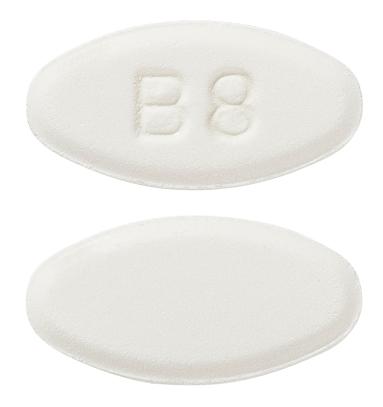
Desired Effects:
To inhibit opiate withdrawal symptoms and enable people dependent of street opioids to gain stability in their lives. Buprenorphine is a milder opioid than heroin but is still used as a street drug. Suboxone was popular in prison where it was often crushed and snorted. When used as street drugs, euphoria, reduced anxiety, relaxation.Side Effects:
- Abnormal heart rhythm
- Confusion
- Constipation
- Dizziness
- Drowsiness
- Dry mouth
- Hallucination
- Headache
- Sweating
- Nausea and vomiting (more common on initiation)
- Palpitations
- Respiratory depression (with high doses)
- Skin reactions
- Urinary retention
- Vertigo
- Withdrawal syndrome
- If taken according to prescription buprenorphine is very safe.
- Mixing with benzodiazepines and alcohol is potentially very dangerous.
- If other opioid drugs are used, although the effects are blocked by buprenorphine, eventually you can overwhelm the buprenorphine and accidentally overdose.
Long term risks:
Buprenorphine is an opioid, so prolonged use can result in physical dependence.Short term risks:
Buprenorphine is an opioid so may cause overdose, particularly when mixed with other depressant drugs like alcohol or benzodiazepines. However, the effects of buprenorphine are much milder than heroin or methadone so there is less of a risk of fatal overdose.Buprenorphine is an opioid painkiller, but it is mainly used as to treat addiction to opioids like heroin. Buprenorphine is an opioid drug, so it has similar, but much milder effects to heroin and is less of an overdose risk. Buprenorphine is available as a tablet (Subutex, Temgesic) or wafer (Espranor) that are both dissolved on the tongue (sublingual), as a skin patch, an implant or in a slow-release injectable form (Buvidal).
Buprenorphine is also available as a sublingual tablet or film mixed with naloxone (Suboxone, Zubsolv). Naloxone is the drug used as an antidote to opioid overdoses. When taken sublingually as prescribed, the naloxone has no effect. However, if injected, the naloxone will be activated, causing withdrawal symptoms which prevents the misuse by injection.
Parents & other relatives
Many drug agencies also provide lots of advice and support to parents, family members and partners of people using drugs. They may provide relative support groups or advice, guidance and counselling on a one to one basis.