Cannabis (concentrates)
canabis-crynodiadau- Butane hash oil
- Butane honey oil
- BHO
- Honey oil
- Shatter
- Dab
- Weed wax
- Ear wax
- Budder
- Bubble hash
- Rosin
- Cannabis oil
- Cannabis hash oil
- THC oil
- THC vape pens
- Dab rigs
- Oil rigs
Scientific Names: The chemical found in cannabis concentrates that is responsible for the psychoactive effect is called THC (tetrahydrocannabinol).
Generic Names: Cannabis concentrates
Desired Effects:
- Euphoria
- Relaxation (feeling chilled)
- Increased sociability and sensuality
- The giggles or finding anything funny and/or fascinating, appreciation of music etc.
- People use cannabis for all sorts of reasons from creative thinking to reliving boredom.
- The effects are dependent on the dose of THC you take. As concentrates can have very high levels of THC, it can be very difficult to judge tiny doses or know how much THC is in vape liquid (even legitimate US products are frequently inaccurately labelled). Too high a dose is much more likely to lead to undesired effects.
Side Effects:
- Anxiety
- Paranoia
- Confusion
- Slight decrease in blood pressure and heart rate
- Short term memory loss
- Increased appetite (the ‘munchies’)
- Pink, blood shot eyes.
- Cannabis may cause you to sleep too much or not sleep enough.
- Concentrates are many times more potent than regular herbal cannabis and it is much harder to judge the dose. As a result, it may be more likely to cause an overwhelmingly strong high and undesirable side effects, especially among first-time users.
- As cannabis concentrates contain much higher amounts of THC, the effects can be much stronger than smoking or vaping herbal cannabis. It is always better to start with the lowest dose possible to gauge potency. As the old saying goes “You can always take more, but you can never take less”.
- Although vaping concentrates avoids the risk from inhaling smoke, there are concerns that ‘dabbing’ may be very damaging to the lungs.
- Avoid inhaling too deeply, it may risk more damage and it won’t get you any more stoned.
- If you start to feel paranoid or freak out, go somewhere quiet where you feel comfortable and safe. Paranoia will wear off in an hour or so when the cannabis does.
- If friends are experiencing a ‘whitey’, stay with them and try and keep them sitting upright, although don’t force them. Some people think a sugary drink helps, but again don’t force them to drink anything.
- If your mates become unwell or freaked out after taking cannabis, stay with them to calm and reassure them. Look after mates in the same way you would want to be looked after yourself. If you are really concerned about a friend, it is best to call for help.
- As your tolerance increases, you will start to use more to get the same effect. This can get out of hand and lead to dependence. Regular use of concentrates will mean your tolerance will go up much quicker than using by traditional methods. Therefore, your chances of dependency are higher.
- Try not to use every day, have days when you go without, particularly if you have to study for an exam.
- Cannabis concentrates are very expensive. Don’t get cannabis laid off or borrow money to pay. Only buy what you can afford.
- If you start to feel worried by your use, cut down or stop. There are services that can help people who feel cannabis has become a problem.
Long term risks:
Although little research exists into long term use of some of the newer concentrates, as they deliver extremely large amounts of THC to the body quickly, it is thought there is a higher risk of physical dependence and increased chance of anxiety, agitation, paranoia, and psychosis occurring.Short term risks:
- As these are concentrated products that can be up to 5 times the potency, the risks of confusion, memory loss, paranoia, nausea, accidents etc are probably higher than for herbal cannabis.
- Although high potency illicit THC/Cannabis oil or vape liquid is available in the UK, countless samples been tested and found to contain no THC but highly toxic synthetic cannabinoids (Spice).
- A THC vape sample was tested in the UK in 2023 and found to contain THC and vitamin E acetate. Vaping this produces ketene – a highly potent lung toxicant. Between 2019 and 2020, THC vapes containing vitamin E acetate were responsible for nearly 3,000 emergency hospital admissions and 68 deaths in the United States.
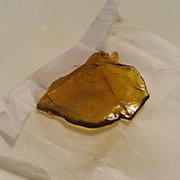
Cannabis concentrates are products made by extracting THC from the cannabis plant. They can be in liquid, oil, wax, buttery or solid form and are highly potent containing up to 5 times the amount of THC of strong herbal cannabis. They can be translucent or opaque and usually a golden to amber to dark brown colour. Cannabis concentrates when sold as vape liquid or ready-made vape pens can be clear or have colour and sometimes flavouring added. Due to their potency, concentrates are often sold in small quantities, and may cost more relative to other cannabis products.