Ketamine
cetamin- Ket
- Special K
- K
- Ketamine
- Ketamine Hydrochloride
Scientific Names: Ketamine Hydrochloride
Generic Names: Ketamine
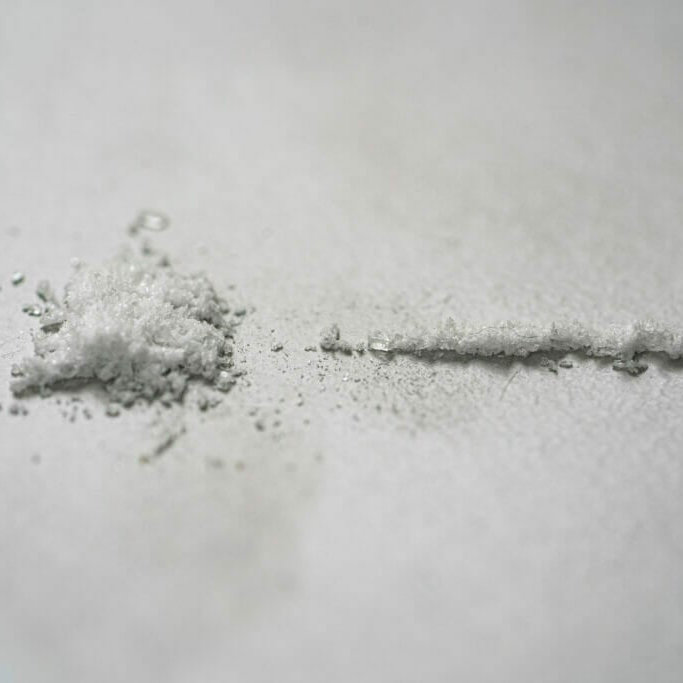
In recent years the number of children and young adults experiencing serious problems and seeking treatment for ketamine and ketamine related bladder and kidney damage has risen dramatically.
Desired Effects:
- At lower doses a sense of being chilled, relaxed, and happy.
- A feeling lightness, dizziness, and euphoria.
- At higher doses a dream like feeling that mind is separate from the body. You may enter a K-hole, which can involve powerful hallucinations which some have described as a near death or near birth experience.
Side Effects:
- Drowsiness
- Dizziness
- Numbness
- Loss of coordination
- Difficulty standing and moving.
- Confusion
- Nausea and vomiting.
- Ketamine is a dissociative anaesthetic and a powerful psychedelic drug.
- Ketamine impairs coordination, so minor accidents like bumping into things are common; it can make you forgetful as well.
- If you take ketamine when you are out and about you risk losing coordination very suddenly; this could be potentially very dangerous and can make you very vulnerable. And as an anaesthetic, Ketamine means you won't feel pain, so you are at more risk of injuring yourself.
- You are safer on a small dose than if you take a large amount in one go.
- Some samples of ketamine have been found to contain the veterinary sedatives xylazine and medetomidine, which is likely to cause deep sedation and increase risk. Use tests strips for those drugs on any new batch of ketamine.
- Avoid swallowing ketamine - ketamine in the stomach makes cramps worse.
- Don't sit in the bath to soothe the pain as there is a risk you may become unconsciousness and drown.
- If snorting, alternate nostrils and clean wash your nostrils out after each session to minimise damage.
- Injecting ketamine brings the additional risk of damage to your veins, skin infections and contracting blood borne viruses such as Hepatitis or HIV. If you choose to use this way, get safer injecting advice from your nearest needle exchange.
- There is a risk of bladder problems and kidney damage with regular use. Long-term ketamine use has been shown to damage the bladder and urinary tract, causing 'ketamine bladder'.
- If you experience pain in your bladder, seek medical help straight away. Most people put off seeking help until serious damage has been done. Try to stop or reduce your use before the problem gets too serious. Seek help from your local treatment service.
- Try to keep your use as infrequent as possible. Give yourself breaks from using if you can to avoid developing tolerance and dependency.
- If you feel depressed and anxious when stopping ketamine use or reducing the amount you use, get some professional help to do this. Gradual reduction may help. Try to distract yourself with purposeful and enjoyable activities.
- If you experience ongoing panic and anxiety attacks get support from your nearest drug agency.
- Don't use ketamine with alcohol or other depressant drugs as the effects can be unpredictable and may lead to overdose. Using with stimulants puts extra strain on the heart.
- Make sure you have more days where you don't use, than days where you use.
- If you choose to use ketamine, use in a safe environment especially if you are an inexperienced user.
- Tell someone you are with what you are taking and have a person you trust with you in case things go wrong.
- If someone is suffering bad effects like vomiting, convulsions, call for medical assistance immediately. If they are unconsciousness - put them in the recovery position.
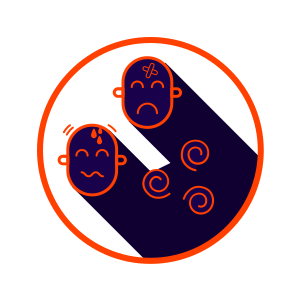
Short term risks
Accidents, anxiety, panic attack and/or collapse.
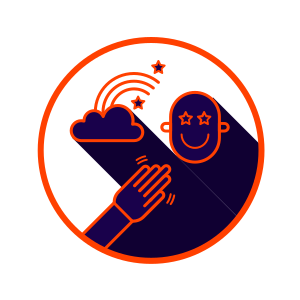
Desired risks
Numbness in limbs sense of euphoria pain relieving dream-like feeling
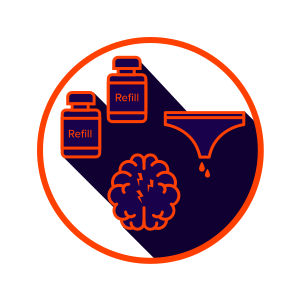
Long term risks
Psychological dependency, tolerance, bladder problems.
Long term risks:
Regular users get severe abdominal pain often called k-cramps. Regular use (more than a couple of times a week) risks serious damage to the kidneys and especially the bladder. This can lead to bladder removal or the user wearing adult nappies. Ketamine may affect memory. Tolerance builds quickly and can lead to psychological dependence.Short term risks:
- Accidents
- Anxiety, panic attack
- Passing out and choking on vomit.
Ketamine is not listed in drug related death statistics, but there are thought to be about 30 deaths a year where ketamine is implicated, in most cases with other substances, particularly alcohol or other depressant drugs. Ketamine increases heart rate and blood pressure and there is a risk if taken with stimulants. Ketamine may trigger psychotic episodes.
Some samples of ketamine have been found to contain the veterinary sedatives xylazine and medetomidine, which is likely to cause deep sedation and increase risk.
GPs can make referrals to specialist drug services. For a description of what the different drug services do, choose helping services from here or the main menu.
Parents & other relatives
Drug agencies also provide lots of advice and support to parents of people using these drugs. Many street agencies can provide relative support groups or counselling for family members, partners etc.