PMA and PMMA

pma-a-pmma
  • Chicken Powder
  • Dr. Death
  • PMMA
  • PMA

Drugs A-Z

Scientific Names: PMA = paramethoxyamphetamine, but is also known as 4-methoxyamphetamine (4-MA). PMMA = paramethoxymethamphetamine.

Generic Names: Substituted amphetamine.
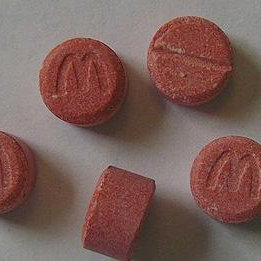
An example of what PMA and PMMA looks like
Paramethoxyamphetamine (PMA) and paramethoxymethamphetamine (PMMA) can be in powdered form although they are rarely seen as street drug in the UK as they are have few desirable effects but are extremely dangerous and toxic. A decade ago, PMA and PMMA were responsible for a number of UK deaths when they were mis-sold as ecstasy pills.

Desired Effects:

PMA and PMMA as they are not considered to have any recreational value as they produce only mild stimulant and euphoric effects and moderate visual distortions. However, it is thought most people who have used these drugs purchased them believing they were MDMA pills. PMMA is reportedly weaker than PMA but more "ecstasy-like".

Side Effects:

  • Abnormal heartbeat
  • Appetite suppression
  • Dehydration
  • Dizziness
  • Increased body temperature, blood pressure and heart rate
  • Increased perspiration
  • Nausea and vomiting
  • Rapid breathing
  • Seizures
  • Teeth grinding
  • Vasoconstriction
  • Vibrating vision
  • Anxiety
  • Double vision

Long term risks:

Long term risks are not yet fully known.

Short term risks:

PMA and PMMA are less euphoric but more toxic at lower doses than MDMA and can also take longer to take effect. This has led people to believe they were taking low dose MDMA pills and redosing leading to overdose. They can cause life-threatening hyperthermia and serotonin syndrome even at moderate doses. Risks are increased if mixed with other stimulant drugs or with alcohol.
Central nervous system stimulants
Usually swallowed in a pill mis-sold as ecstasy.
PMA first came into circulation in the early 1970s, where it was used as a substitute for the hallucinogenic properties of LSD. PMA and PMMA are produced in illicit labs.
Most areas of the UK have 'street agencies' or projects (sometimes called community drug services or community drug teams) which offer a range of services including information and advice, counselling, needle exchanges and sometimes support groups and complementary therapies such as acupuncture. The increase in stimulant use has led to some agencies offering specialist services that offer counselling, cognitive behaviour therapy, acupuncture and other alternative therapies and prescribing of anti-depressants, and also possible referral to residential rehabilitation. Some services have extended working hours and may offer weekend support. GPs and possibly the local hospital A&E department can make referrals to specialist drug services as well as general medical services, information and advice often in partnership with a drug agency or Drug Dependency Unit.

Parents & other relatives

Drug agencies also provide lots of advice and support to parents of people using these drugs. Many street agencies can provide relative support groups or counselling for family members, partners etc.


Hide