Pregabalin and Gabapentin
pregabalin-a-gabapentin- Nerontin
- Lyrica
- Gabbies
- Gabby
- Pregabalin
- Pregabs
Scientific Names: Pregabalin: 3-isobutyl GABA, (S)-3-isobutyl-γ-aminobutyric acid. Gabapentin: 2-[1-(aminomethyl)cyclohexyl]acetic acid.
Generic Names: Gabapentinoids
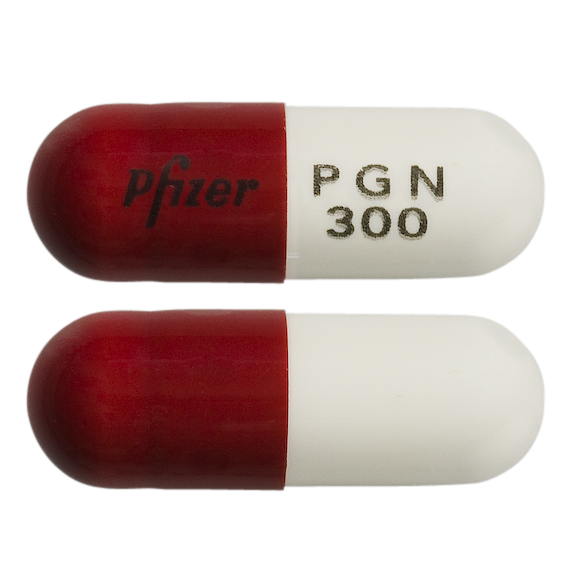
Desired Effects:
- Euphoria
- Calmness
- Relaxation that many have compared to benzodiazepines, along with an alcohol like high.
- When combined with other drugs, like opioids, the euphoric effects are increased, but so are the feelings of sleepiness, dizziness and the risk of overdose.
Side Effects:
- Nausea
- Constipation or diarrhoea
- Slurred speech
- Poor muscle control
- Visual disturbances.
- Less common effects: swollen hands and feet, headaches, abnormal thoughts, suicidal thoughts, shortness of breath, chest pain, mouth sores, chills, nausea, coughing, tremor, and other cold symptoms.
- If you are prescribed regular doses don’t suddenly stop. Ask your GP or drug service for advice.
- Misusing these drugs at high doses is increasingly common and can be fatal. These deaths are almost always in combination with other drugs. Most deaths also involved heroin and/or methadone.
- Never mix pregabalin and gabapentin with other drugs, especially heroin or other depressants including alcohol.
- Don’t use alone.
- If somebody overdoses call for an ambulance.
- Always carry and use naloxone. Naloxone will not reverse the effects of pregabalin and gabapentin but will reverse the effects of any heroin or other opioid that have also been taken.
Long term risks:
- Tolerance can develop quickly and dependence has also been reported.
- Stopping abruptly can cause withdrawal symptoms including insomnia, nausea, headache, or diarrhoea.
- Pregabalin may also cause hallucinations, heart problems (including heart failure), depression, agitation.
- Pregabalin and gabapentin should be avoided during pregnancy.
Short term risks:
- Pregabalin is more dangerous than gabapentin in high doses.
- Pregabalin also reinforces the effects of heroin and exacerbates heroin-induced respiratory depression by reversing heroin tolerance at low doses and directly depressing respiration at higher doses.
- During 2024 in England and Wales there were 617 deaths associated with pregabalin and 160 associated with gabapentin. However, deaths rarely occur without drugs like heroin or methadone being used at the same time, with just 16 of the pregabalin deaths occurring without the presence of another drug.
Parents & other relatives
Drug agencies also provide lots of advice and support to parents of people using these drugs. Many street agencies can provide relative support groups or counselling for family members, partners etc.