Synthetic Cannabinoids
cannabinoids-synthetig- SCRA
- Spice
- Mamba
- Green crack
Scientific Names: JWH-018. AM-2201. FUB-AMB. ADB-BUTINACA. MDMB-4en-PINACA. ADB-BUTINACA. 5F-CUMYL-PINACA. ADB-HINACA 5F-ADB.
Generic Names: Synthetic Cannabinoid Receptor Agonists (SCRA)
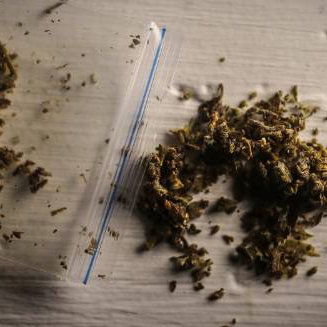
Desired Effects:
- The effects of synthetic cannabinoids can be very different from even the most potent cannabis. Initially the experience can be physically and mentally overwhelming, commonly causing people to physically collapse and experience mental effects that can feel like they have entered an altered reality.
- Tolerance develops rapidly often within a few days of regular use.
- With regular use the initial extreme effects (falling over, altered reality) become more like a mix of being stoned on very strong ‘Skunk weed’ and a heroin ‘gouch’.
- Amongst the population who use synthetic cannabinoids, use can be about killing time in prison, to sleep on the street, avoid boredom or to cope with the reasons they ended up in prison or on the street in the first place.
Side Effects:
- Tight chest/chest pain
- Racing & irregular pulse
- Breathing difficulties
- Collapse
- Dizziness
- Numbness
- Sedation
- Vomiting
- Panic attacks
- Paranoia
- Anxiety
- Excitability, agitation, aggression, violence
- Thought disorganisation, confusion, delusions, auditory and visual hallucinations.
- Nonsensical speech
- The ‘frozen zombie’ like behaviour reported in the media occurred when a new synthetic cannabinoid, called FUB-AMB, was added to the dried plants in the Spice mix causing this temporary semi catatonic state.
- Sit down before you use in case you fall over.
- Potency varies from batch to batch. Start with a very small dose. Use a match-head size (or less) test dose with every new bag. Wait before the effects have worn off before smoking more.
- Avoid using Spice with other drugs, this may raise the risk of heart problems or make overdose more likely.
- Be cautious about dosing in pipes or vaporisers: it is harder to regulate intake and easy to take too much.
- Beware the bottom of the bag. Be careful with dosing the crystalline powder material in the bottom of the bag; use a smaller dose, as this is generally stronger than the plant material which is coated with the synthetic cannabinoid.
- Careful with powder If sourcing pure powder synthetic cannabinoids only use very small doses, calculated using scales and thoroughly mixed into smoking material.
- Spice can cause severe harms. If you experience a sustained period of fast heart rate or chest pains, call an ambulance.
- Spice can make you anxious and may exacerbate anxiety and paranoia and may make mental health problems worse. Only use in an environment in which you feel safe, with people you trust.
- If somebody overdoses and you have naloxone, use it. Naloxone will not reverse the effects of a synthetic cannabinoid overdose, but it will reverse the effects of any heroin or methadone that has been taken.
- Drug treatment services can help you to manage any withdrawal symptoms and help you quit.
Long term risks:
- Skin rashes
- Renal injury (the kidneys)
- High blood pressure
- Low potassium levels
- Effects such as bleeding from the eyes and other orifices and teeth falling out are described by some long-term users but have yet to be recognised in the medical literature.
- Tolerance develops rapid and physical and psychological dependence is common.
- Depression and suicidal thoughts are often reported, but this is common in prison and homeless populations, so it is unclear if this is caused by the drug, or the drug is used to cope with these feelings.
Short term risks:
- Short-term memory and cognitive deficits
- Seizures
- Cardiac toxicity
- Heart attack
- Poisoning
- Acute psychosis
- Death. There were 44 deaths associated with synthetic cannabinoids in England and Wales in 2024.
Cannabinoids are substances that stimulate the cannabinoid receptors in the brain. The best known of these is THC (tetrahydrocannabinol) one of the natural cannabinoids found in the cannabis plant. Synthetic Cannabinoids Receptor Agonists (SCRA) are laboratory made chemicals that also stimulate cannabinoid receptors. There are hundreds of different synthetic cannabinoids. Some have different effects. Some are more potent than others and can be up to 800 times the potency of THC. Synthetic cannabinoid use is almost exclusively confined to prison, street, homeless and hostel populations. They are sold as an herbal mixture containing a non-psychoactive dried plant that has been soaked in a synthetic cannabinoid liquid, but they also soaked onto paper and clothing etc and smuggled into prison. More recently a solid waxy form that is smoked in a pipe or added to a cigarette has been seen in both prison and among some street based populations.
‘Spice’ was originally a brand names for non-psychoactive herbal mixtures that had been sprayed with an synthetic cannabinoid called JWH-018. It was sold as a ‘legal high’ and an alternative to illegal cannabis. JWH-018 and similar substances were brought under the Misuse of Drugs Act (MDA) in 2009. However, JWH-018 was replaced in the shops within days by brands that contained a second generation of synthetic cannabinoids that were not covered by the MDA, such as AM-2201 (the drug in the original ‘Black Mamba’ brand). As this cat and mouse game continued the synthetic cannabinoids used in the herbal mix became ever more potent and more toxic than the ones they replaced. The MDA was amended for a third time in 2016 and along with the introduction of the Psychoactive Substances Act, saw an end to Highstreet and open internet sales but an illicit market develop among prison and homeless populations.